

Colombia Feels Different
There is something about Colombia that doesn’t quite fit into a tourist brochure. Beyond the mountains, the music, or the tropical climate, all these things come together in everyday life.
By 2025, Colombia has become one of the most visited countries in Latin America, not only for its landscapes or heritage, but for the authenticity with which everything is experienced.
This is a country where culture is more than just something to see; it is something that accompanies you in your daily life.
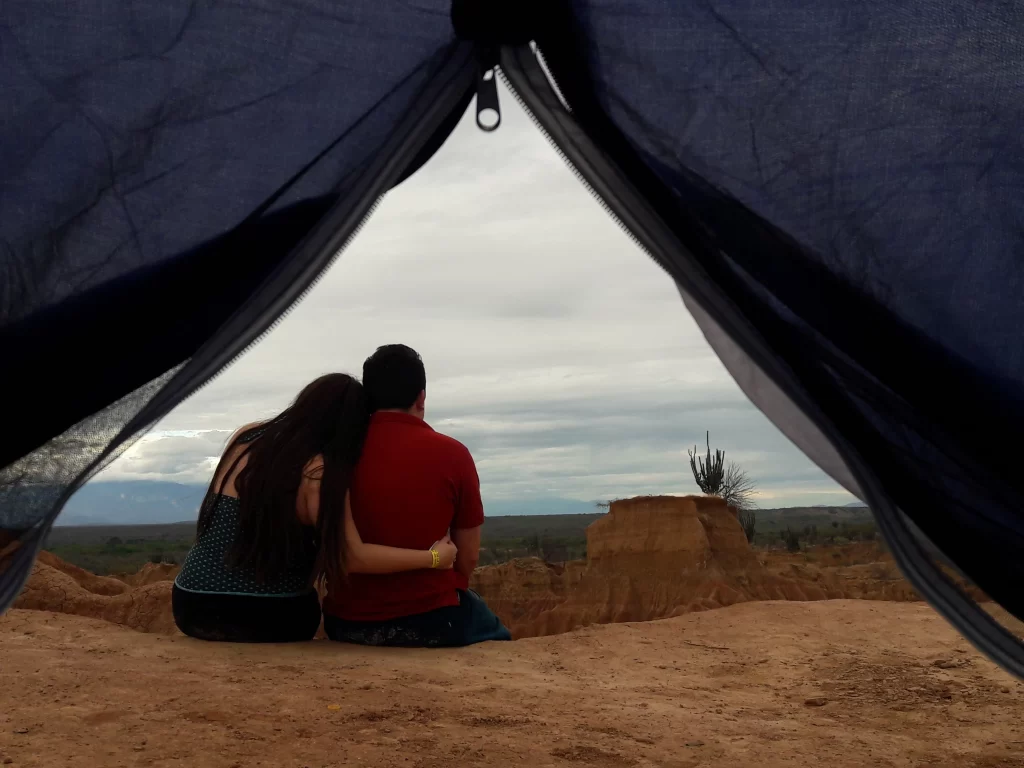
Culture You Don’t Just Watch — You Join
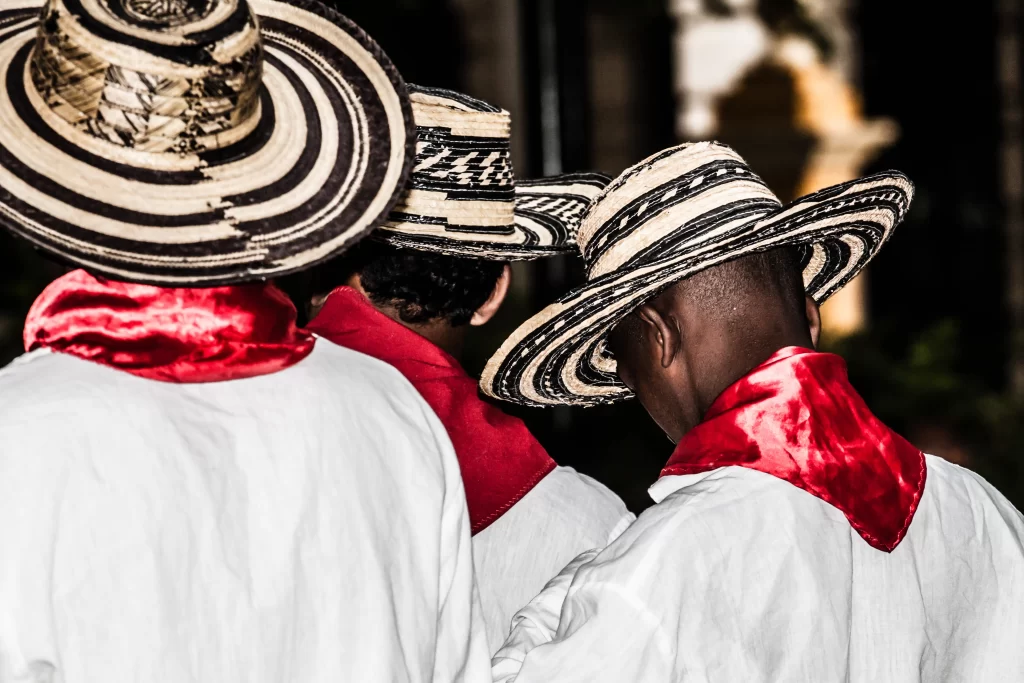
Colombian culture is rich, proud, and constantly evolving. It is reflected in the way people greet each other, in the music coming from a neighbor’s window, and in the traditions passed down from generation to generation, not for show, but because that is how life flows here.
What makes Colombia’s culture so alive?
- Festivals rooted in community:
The Feria de Cali, the Carnaval de Barranquilla, and the Festival Vallenato are not just events, they are expressions of identity, for which neighborhoods prepare together for months. - Music that moves the streets:
Salsa in Cali, cumbia on the coastund joropo in the savanna: each rhythm is linked to the land and its people. - Living heritage:
In towns such as Barichara, San Basilio de Palenque, and Silvia, ancestral knowledge, crafts, and stories are part of everyday life. - Art beyond museums:
In Bogotá and Medellín, muralism and community art turn entire neighborhoods into open-air galleries that speak of memory, resistance, and pride.
Culture in Colombia is not behind glass: it rides by on a bicycle, sings on the bus, and invites you to join the dance.
A Country You Can Taste: Colombian Gastronomy
Colombia’s diversity is not only seen and heard, it is also tasted. From the coast to the mountains, each region offers its own dishes, spices, and traditions.
What you eat in Cartagena is completely different from what you find in Pasto, the Llanos, or the jungle villages along the Amazon.
Some flavors that define the country:
- Ajiaco: a Bogotá-born soup made with three kinds of potatoes and guasca herbs
- Bandeja paisa: Antioquia’s powerhouse platter with beans, rice, chicharrón, avocado, and egg
- Sancocho: a soulful stew, common across regions, with local variations and always shared in company
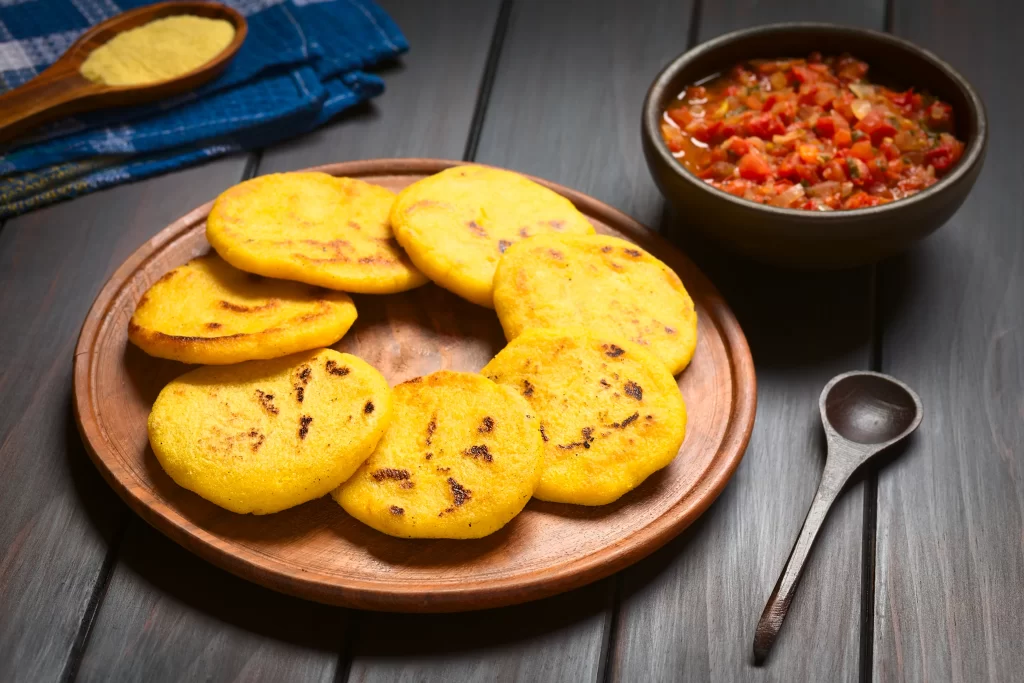
- Arepas: every region makes them differently — grilled, fried, thick, thin, filled
- Ceviche de camarón und fried fish with coconut rice on the Caribbean coast
- Exotic fruits: from lulo to guanábana to chontaduro — flavors visitors remember for life
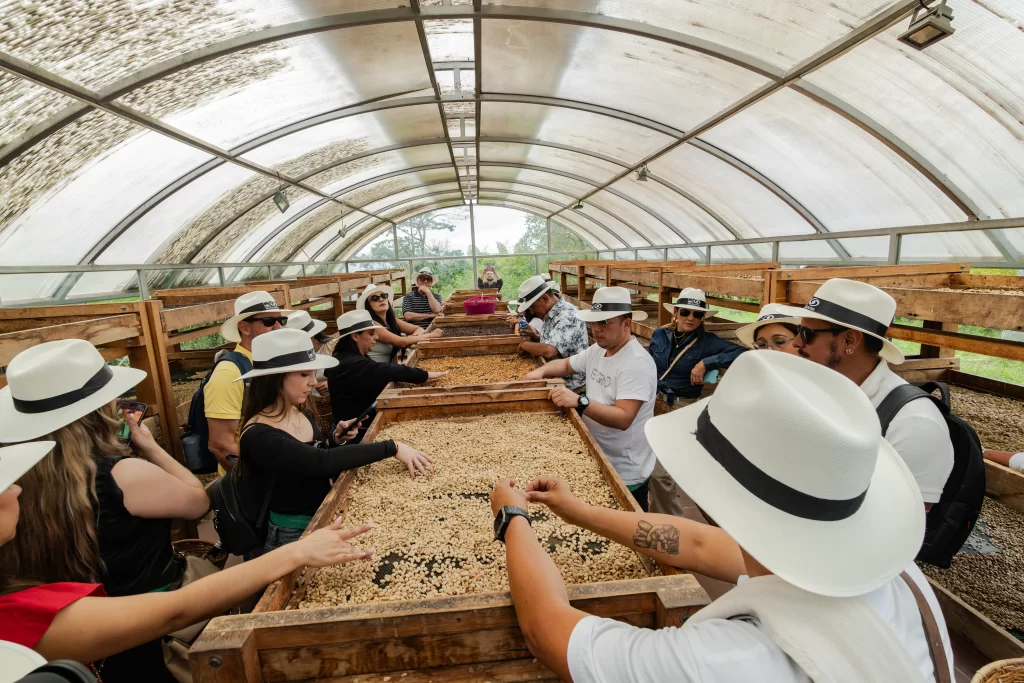
And then there is Colombian coffee, a ritual, a way of life, and a global ambassador for the country.
Food in Colombia is all about sharing. Whether at street stalls, family homes, or bustling markets, the act of eating reflects local pride and a sense of belonging.
A Country of Landscapes that Breathe Life
Colombia’s geography is both a gift and a surprise. In a single country, you can feel the mist of the cloud forests, hear the silence of the desert, and stand on the shores of the Caribbean or the Pacific, sometimes in the same week.
Here’s what sets its nature apart:
| Region | Natural Identity |
| Anden | Home to volcanoes, páramos, and major cities |
| Amazonasgebiet | Rainforest depth, rivers, and Indigenous wisdom |
| Pacific Coast | Dense jungles, black beaches, and Afro-Colombian culture |
| Caribbean | Warm sea, coral reefs, and Indigenous heritage |
| Orinoquía | Endless plains and the sound of joropo |
| Coffee Region | Mountain farms, wax palms, and cultural landscapes |
With over 60 national parks, Colombia protects ecosystems like:
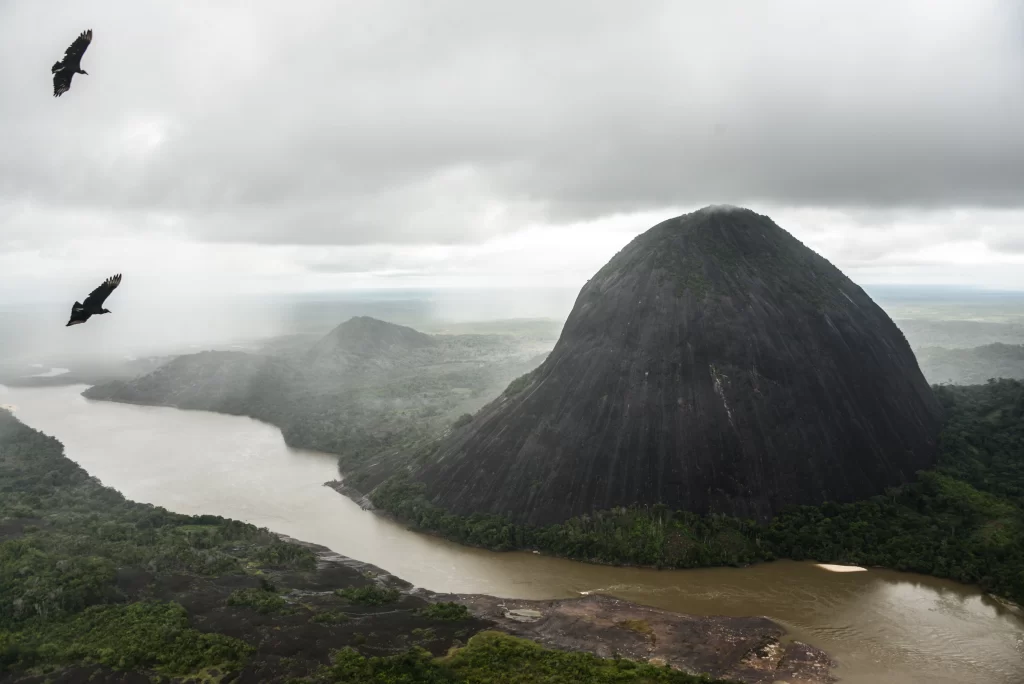
- Chiribiquete: the Amazon’s sacred tepuis and ancient cave art
- Tayrona: coastal rainforest and spiritual territory
- Los Nevados: high-altitude treks through snow and steam
- Amacayacu: home to pink dolphins and river communities
In 2025, Colombia has also become a leader in birdwatching and ecotourism, bringing travelers closer to nature — and to the communities who care for it.
Colombia Today: Modern, Real, and Changing
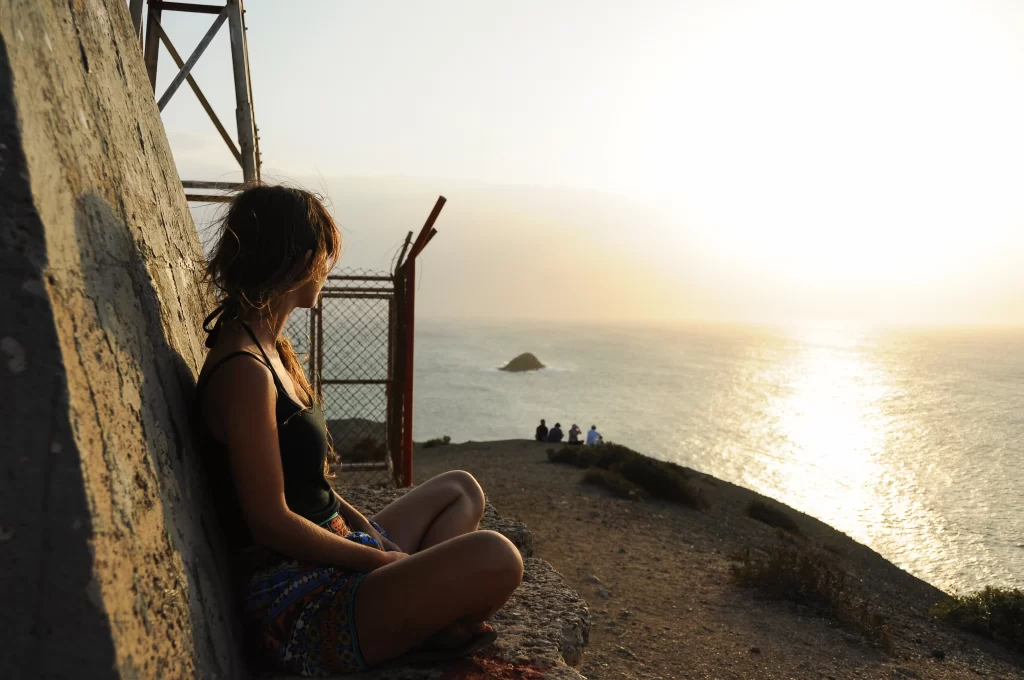
Beyond nature and tradition, Colombia is in motion.
- Record-breaking tourism: 6.7 million international visitors in 2024
- Strong growth: Tourism projected to generate over $21 billion USD in 2025
- Improved access: New air routes connect the world with Bogotá, Medellín, Cartagena, and more
- Cultural reinvention: Cities like Cali, Barranquilla, and Pereira are investing in public spaces, art scenes, and urban renewal
Colombia isn’t perfect—no place is. But it’s facing its challenges with honesty and creativity. By 2025, it won’t just be open to tourism, it will be ready for deeper conversations, experiences, and encounters.
So, Why Visit Colombia?
It’s not just a beautiful country—it’s a country where beauty is lived.
The people don’t welcome you like a visitor—they invite you like a neighbor.
The stories are still being written—and you get to step into them.
Quick Reasons to Come
- Explore six natural regions in one country
- Dance to rhythms born in the streets
- Discover ecosystems found nowhere else
- Travel with purpose — supporting local communities
- Access direct flights from major global hubs
- Experience culture that doesn’t pause for cameras
Start with Curiosity, Leave with Connection
Colombia doesn’t wait to impress you. It simply is itself: vibrant, complex, joyful, imperfect, real. That’s precisely what makes it worth visiting.Ready to explore it your way? This is just the beginning. Let each region, each voice, and each moment take you beyond what makes Colombia unforgettable.
FAQ – Good to Know Before Visiting Colombia
Is Colombia a good destination for families?
Yes, many destinations are family-friendly, including parks, cities, and beaches. Just check logistics for remote regions.
Do I need to speak Spanish?
Spanish is the official language. While English is spoken in some areas, basic Spanish helps a lot.
Can I travel independently or should I book tours?
Independent travel is common and safe in major areas. Tours are great for nature zones or deep cultural immersion.
What currency is used in Colombia?
The Colombian peso (COP). Cards are accepted in cities, but carry cash for smaller towns or markets.
What type of plugs are used?
Type A and B (same as in the U.S.), 110V standard voltage.
Are there any health or vaccine requirements?
No special vaccines are mandatory for most travelers, but yellow fever is recommended for jungle areas.