

A Promise of an Ethical Encounter
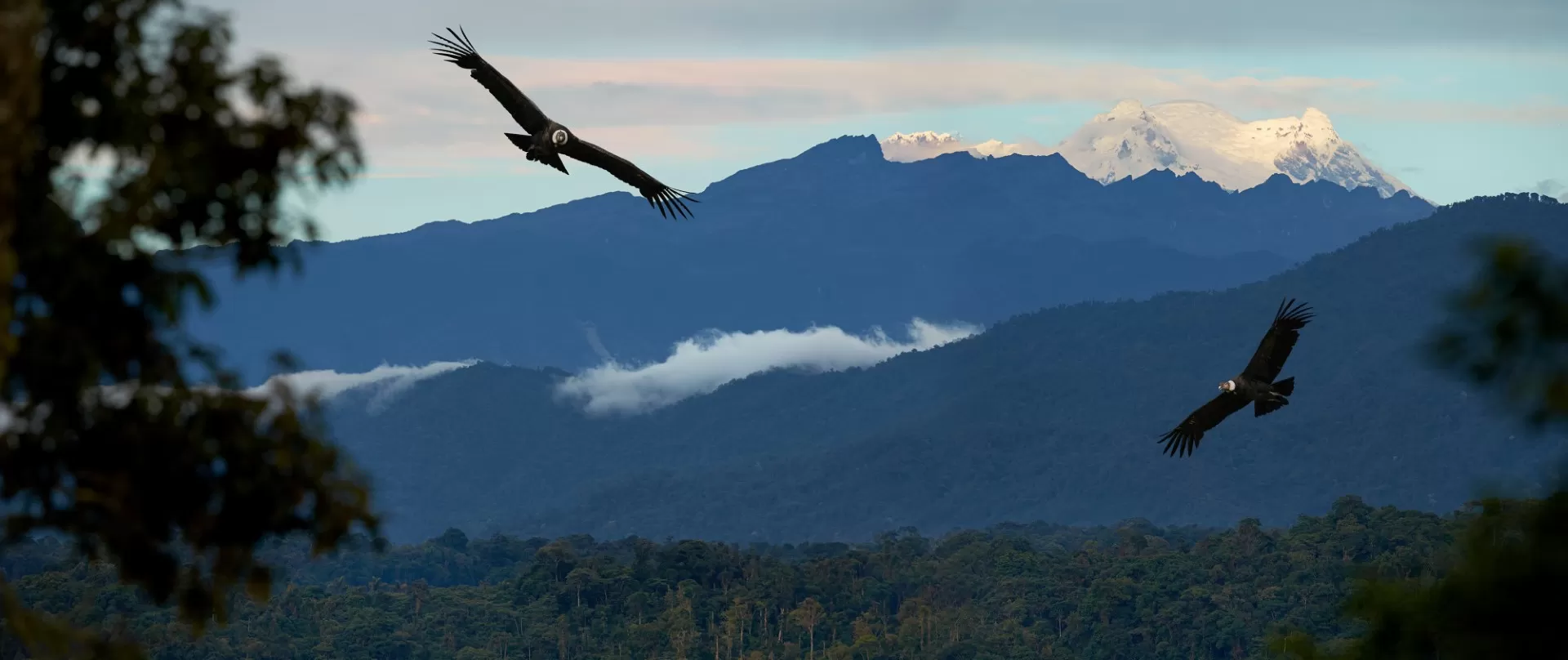
Do you dream of the moment when a shadow crosses the moor and a huge wingspan rises with the wind, an Andean condor flying in circles over snow-capped mountains?
If you’ve ever asked yourself, “Can I have that kind of encounter without disturbing the animals I love?”, you’ve come to the right place.
This guide offers you exactly that: how to practice ethical wildlife viewing in Ecuador, seeing condors, bears, and high Andean wildlife while protecting their world.
We’ll explain what to avoid, how to prepare, and where to go. We’ll share honest, field-tested tips from our local team, so your trip contributes to conservation and local communities.
In the end, you’ll know how to turn your curiosity into a positive force, so the next traveler can see the same living, wild Andes you came to see.
The dark side of wildlife watching (and how to avoid it)
How baiting and harassment manifest themselves in real life
Baiting means feeding wild animals to attract them. Harassment includes:
- Getting too close
- Cornering animals to take photos
- Making noise and crowding around
- Flying drones near nests or roosting sites
- Using sound reproductions irresponsibly
These actions disrupt natural behavior, increase stress, and can spread disease between people and animals.
Ethical guidelines from conservation agencies warn against touching or feeding wild animals for precisely these reasons.
Warning signs for travelers to recognize
- Promises of “100% guaranteed sightings” of elusive species.
- Large, noisy groups that get too close to animals.
- Guides who encourage feeding, touching, or taking photos at close range.
- Unauthorized drones or drones flying near wild animals. (In Ecuador, restrictions apply in protected areas, and the Galapagos prohibits the use of drones by tourists).
If you see any of this, it’s time to leave or ask tough questions.
Field guide for responsible observation (species by species)
Andean condor: guardian of the peaks
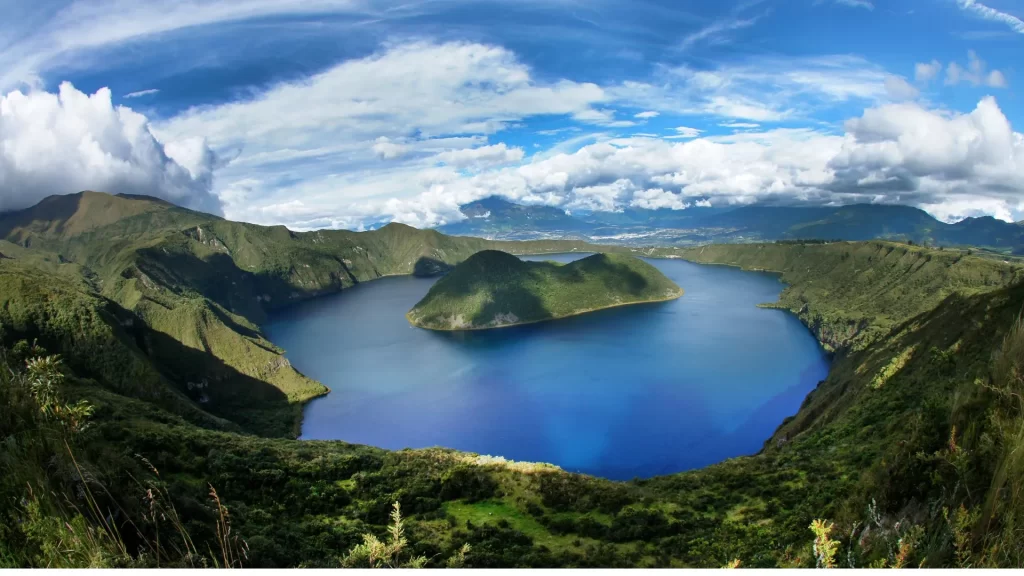
Where to observe it: Viewpoints with unobstructed views in Parque Nacional Cotopaxi (Laguna de Limpiopungo area) and the Antisana Ecological Reserve are classic places to observe the cliffs and ridges.
Condors take advantage of rising thermal currents in the late morning, so be patient and bring binoculars.
Why it matters: The condor population in Ecuador remains small: recent studies reviewed by experts suggest that there are fewer than 150 individuals in the country (the 2018 census recorded around 150, including juveniles).
Any disturbance counts, so distance and silence are essential.
How to observe ethically:
- Use binoculars (8-10x) or a 300mm or longer telephoto lens.
- Remain silent and stay at viewpoints and the edges of roads.
- Never approach roosting sites, nesting cliffs, or carcasses: allow condors to feed and socialize naturally.
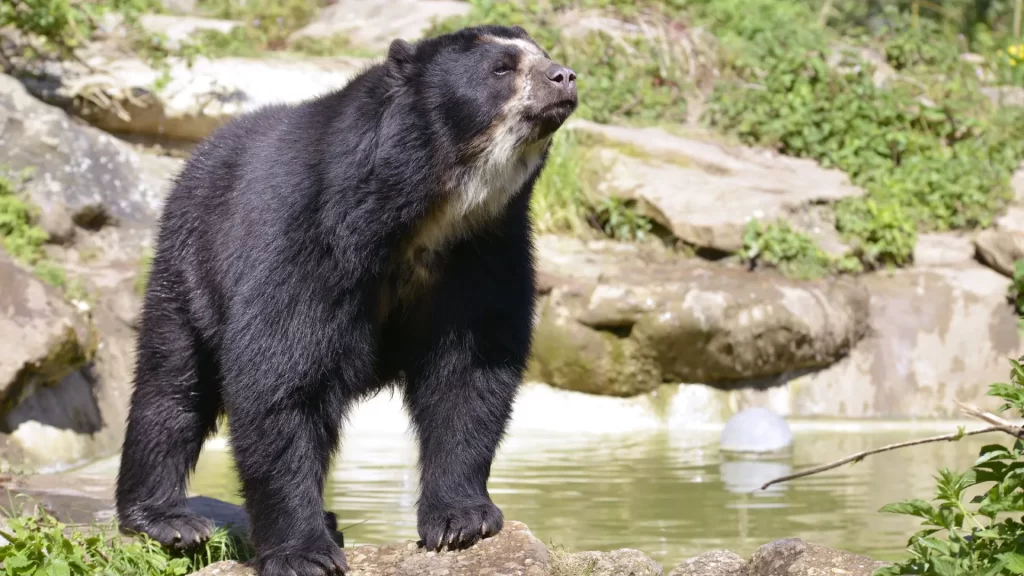
Spectacled bear: the secret of the Andes
Where to look: The Andean (spectacled) bear lives in cloud forests and moorlands, especially in the Cayambe-Coca y Antisana reserves.
Sightings are rare and never guaranteed; guides look for feeding signs (plucked bromeliads), marks on trees, and fresh tracks.
How to observe ethically:
- Keep an extra distance; never follow or approach a bear.
- Learn to interpret the signs with a guide and enjoy the ecosystem even without sightings.
Vicuñas and water birds of the High Andes
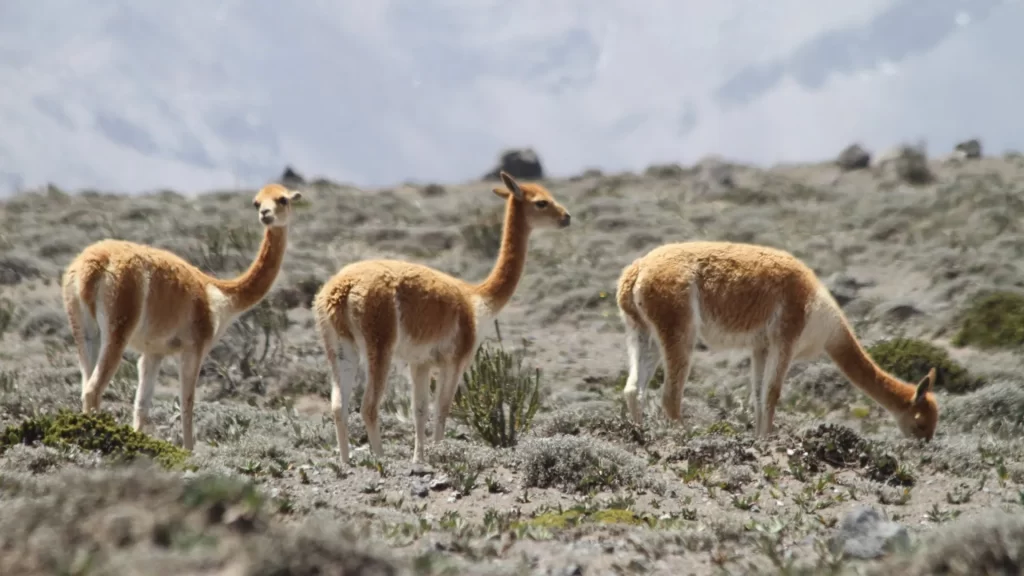
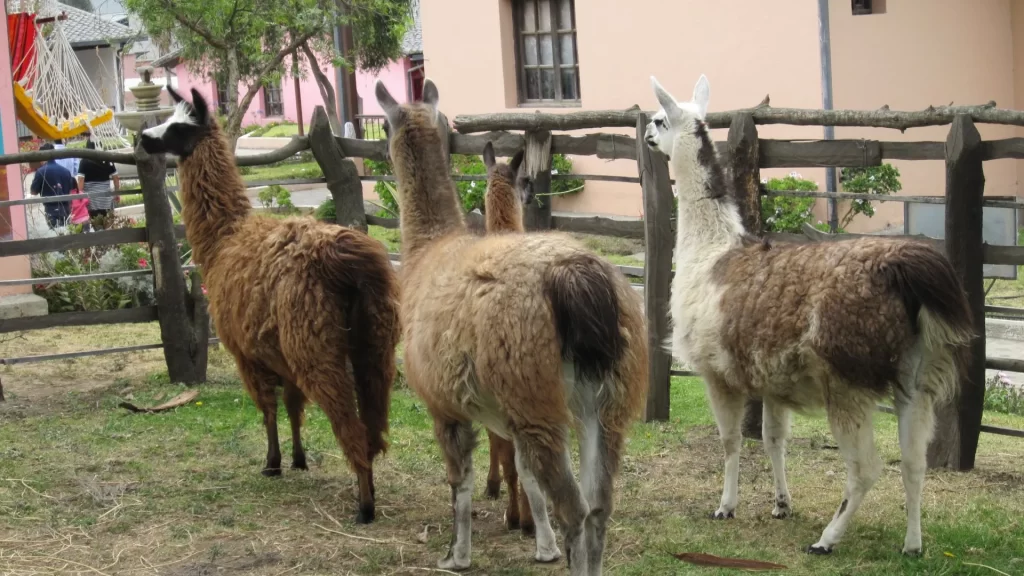
Where to see them: The best place to see wild vicuñas in Ecuador is the Chimborazo Wildlife Reserve, where reintroduced herds roam high-altitude grasslands.
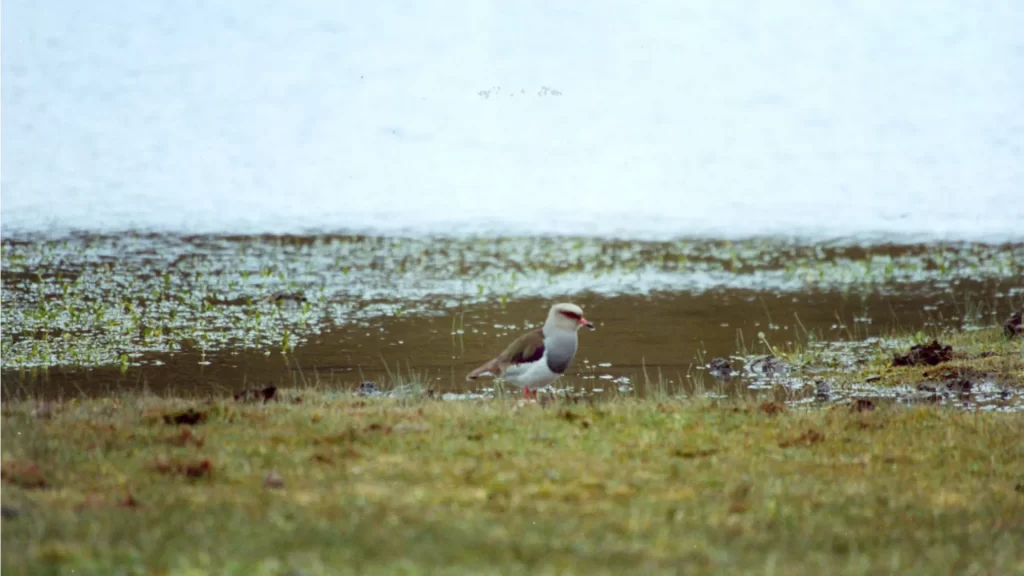
Around Cotopaxi, it is more common to find Andean waterbirds, such as the Andean lapwing, Andean teal, cootsy gulls especially near lakes and wetlands such as Limpiopungo.
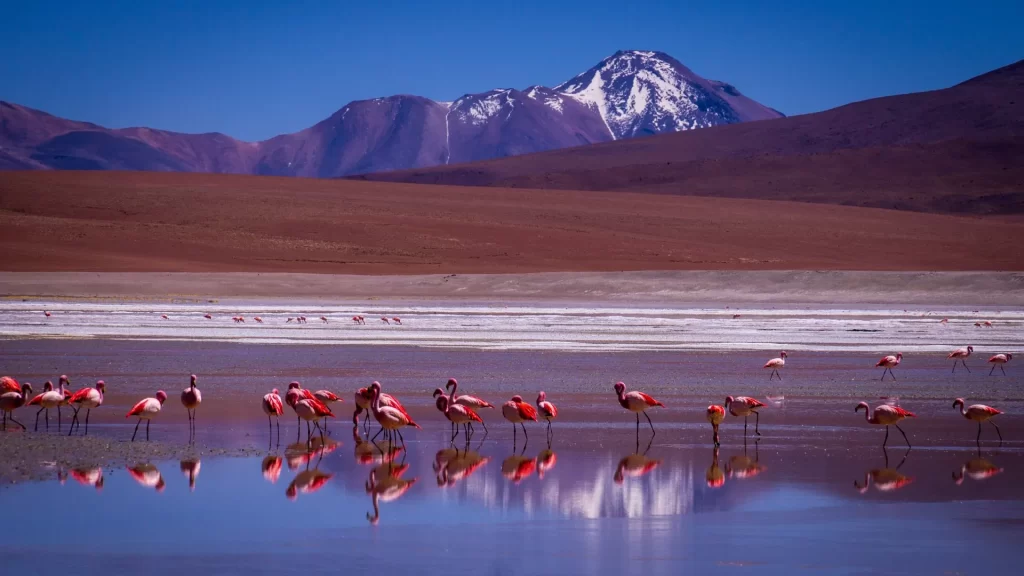
(Note: flamingos in mainland Ecuador tend to inhabit the coast or the Galápagos; the “Andean flamingos,” so famous elsewhere, are rare here.)
How to observe ethically:
- Stay on trails and shorelines to avoid trampling wetlands.
Use your telescope from a fixed location; let herds and flocks move naturally.
Your ethical toolkit: practical tips
General rules for keeping your distance
As a universal guideline, many protected area authorities recommend keeping a minimum distance of ~25 yards/meters from most wild animals y ~100 yards/meters from large predators.
If an animal changes its behavior because of you, you are too close: back away. A simple trick: if your thumb, with your arm outstretched, does not “cover” the animal, you are too close. Use binoculars instead.
Best time of year and time of day (as of August 2025)
In the Ecuadorian Andes, the driest months (June-September) offer clearer skies and more stable conditions.
Mornings are usually best, especially late morning, when thermal currents form that allow birds of prey such as condors to glide.
There may also be a brief dry period, the “veranillo,” between December and January. Plan to leave early, as it tends to cloud over in the afternoons.
Drones, sound reproduction, and photography rules (as of August 2025)
- Drones: Restrictions apply in protected areas in Ecuador; always request the necessary permits. The use of drones by tourists is prohibited in the Galápagos. Even when legal, never fly near wildlife.
- Reproduction (bird songs): Use sparingly, if at all, and never near nests or sensitive species.
- Flash and bursts: Avoid direct flash on vida silvestre; prioritize natural light and fast lenses.
Choose carefully: the role of the operator
Questions to ask any provider
Ask before you book:
- Are your guides certified and trained in wildlife ethics and first aid?
- What is the maximum group size in sensitive locations?
- Do they have a written “no feeding, no touching, no disturbing” policy?
- Do they contribute to local conservation or monitoring programs?
Our Commitment at Responsible Travel S.A.
We are proud to be one of the best local partners for travelers who care about the environment.
We organize small group or private experiences, coordinate permits and schedules, and inform you before your departure so that you arrive well informed, confident, and respectful.
Our guides are local experts trained in conservation and safety. Their experience and the well-being of the animals are our priority.
We take care of all logistics and only work with responsible suppliers who meet strict standards.
Work with a trusted local outfitter like Responsible Travel S.A.—one of the best at turning complex logistics into a seamless, responsible journey—so you spend your time exploring.
Comparison Table: Spot the Red Flags vs. Green Flags
| Factor | Red Flag (Avoid) | Green Flag (Choose) |
| Sightings | “Guaranteed condor/bear” | “Wildlife is wild; no guarantees” |
| Group size | 12–20+ people crowding | Small groups (often ≤6) |
| Behavior | Approaching, feeding, playback at nests | Quiet observation, fixed viewpoints |
| Drones | Unpermitted flights near wildlife | Clear no‑drone policy; permits where required |
| Guides | Uncertified, no briefing | Certified, ethics briefing, first‑aid |
| Conservation | No local contribution | Fees/support for monitoring & communities |
Checklist: Before You Go / On the Day / Essentials
Before departure
- Confirm in writing the small group size and ethical policy.
- Lleva champú, jabón para platos, etc., binoculars (8-10x) and a telephoto lens (ideally 300 mm or more).
- Arrange permits/tickets y drone permits if applicable (drones are prohibited in many areas).
On the day of the trip
- Leave early; try to take advantage of the morning thermal currents to spot birds of prey.
- Keep your distance (between 25 and 100 m or more, depending on the species) and remain silent.
- Stay on the trails and viewpoints, and avoid nesting sites and the edges of wetlands.
Essential
- Clothing for all four seasons and sunscreen and UV protection at high altitudes.
- Water and snacks in airtight containers; pick up all trash.
- ID, cash, charged phone, and rain jacket.
Turn observation into conservation
Ethical wildlife observation in Ecuador is not only possible, it is more rewarding.
When we replace pursuit with patience and close-ups with binoculars, animals behave naturally and we can see the Andes as they really are. That is the memory that lasts.Let us guide you on an adventure where observation becomes conservation. We coordinate all the details, inform you before you leave, and put you in touch with qualified local guides to make your trip perfect, safe, and meaningful. Your ethical adventure in the Andes awaits you.
Your Top Questions
1) What’s a safe distance from condors and bears?
As a rule of thumb, ~25 m from most wildlife y ~100 m from large predators. If behavior changes, you’re too close. Use optics.
2) Are drones allowed in Ecuador’s parks?
Often restricted y permit‑based on the mainland; banned for tourists in Galápagos. We advise leaving drones at home for wildlife outings.
3) When is the best time to see soaring condors?
Dry months (June–September) offer clearer skies; late morning thermals help soaring, but always weather‑dependent.
4) Where can I see vicuñas in Ecuador?
Your best bet is Chimborazo Fauna Production Reserve. Around Cotopaxi, focus on waterbirds and raptors instead.
5) How many condors are in Ecuador?
Estimates suggest fewer than 150 individuals as of recent studies; this is why distance and quiet matter so much.