
Cali is a city that invites you to explore. Step into a space that has a pulse, a pace, and a unique personality all its own. Cali, officially known as Santiago de Cali, stands proudly in southwestern Colombia as the country’s third-largest city and a vibrant cultural capital. Renowned globally for salsa music, this vibrant place thrives on transformation, creativity, and a strong sense of community momentum — elements that have shaped what many refer to as Cali culture today.
A Brief History That Still Echoes Today
In 1536, Spanish conquistadors established Cali, weaving its narrative into the vibrant tapestry of the Valle del Cauca, a lush region embraced by the Western Andes. Cali has transformed over the centuries from a colonial outpost into a vibrant modern metropolis shaped by:
- Afro-Colombian cultural roots, especially in music and food
- Migration and trade, fueled by its proximity to the Pacific coast
- Agricultural legacy, notably the sugar cane industry in the 20th century
Cali showcases its historical layers through vibrant traditions, delicious food, lively festivals, and dynamic social movements. This city stands as a true reflection of Colombia’s rich complexity.
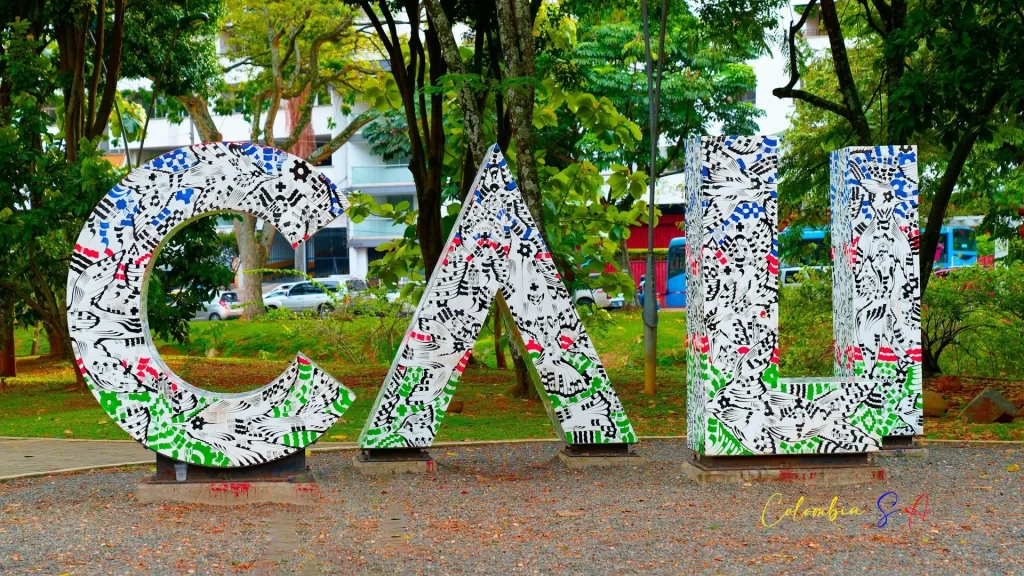
The Cultural Soul: Salsa, Street Art, and Local Life
Cali vibrates with culture — on stages, in parks, and throughout neighborhoods. The city showcases some of its most expressive elements:
- Salsa as identity: Dance schools, live shows, and salsa orchestras animate the city. The rhythm isn’t optional — it’s part of life.
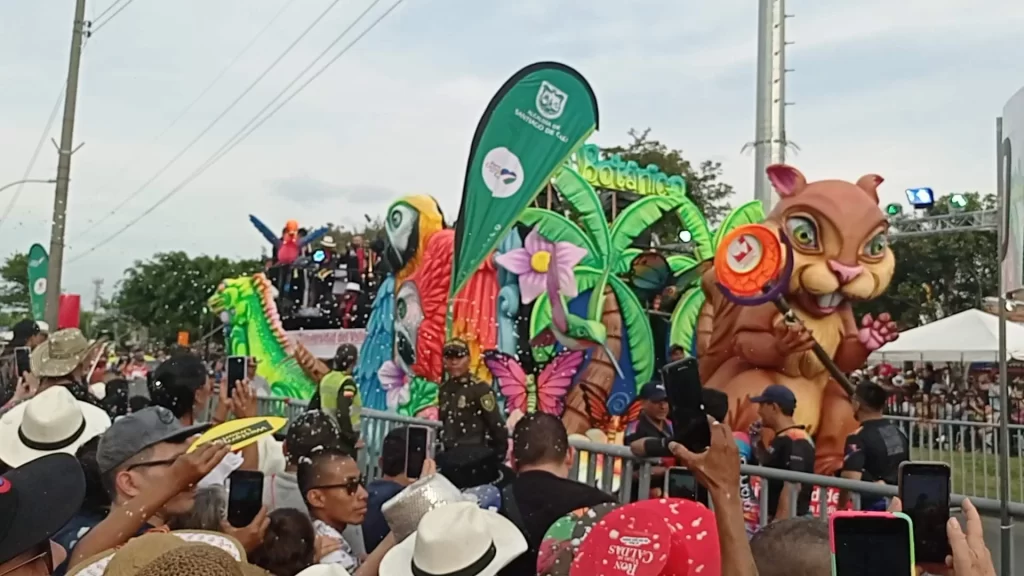
- A Feria de Cali (Dec 25–30): A major cultural festival with parades, music battles, salsa shows, and artistic expression throughout the city.
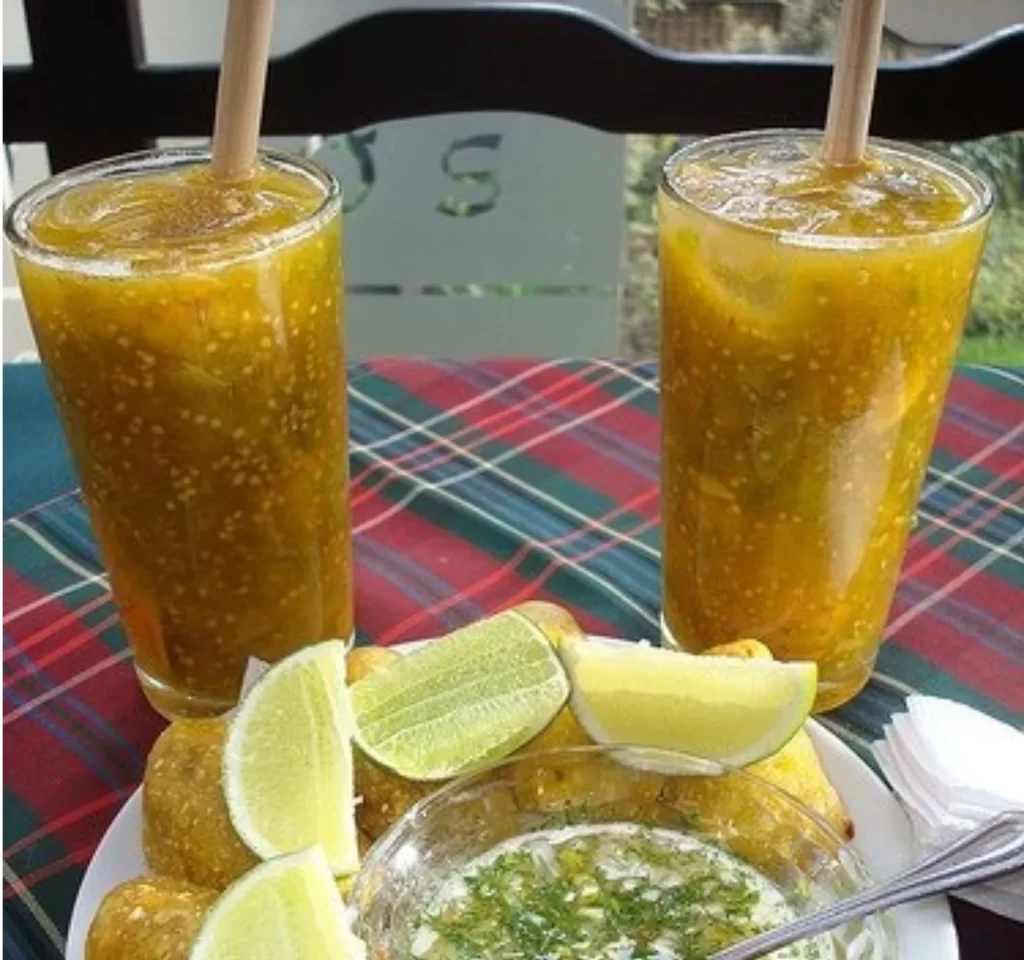
- Culinary signatures:
In creative districts such as San Antonio and El Peñón, visitors discover a vibrant mix of history, cafes, craft shops, and street murals — everyday expressions of Cali culture that aren’t curated for tourism, but lived by the community itself.
Spaces That Define the City
Every part of Cali tells its own story. Let’s explore some iconic places and discover their unique character:
| Place | What Makes It Stand Out |
| Cristo Rey | Panoramic hilltop view and spiritual symbol |
| San Antonio | Historic charm, local markets, artisan cafés |
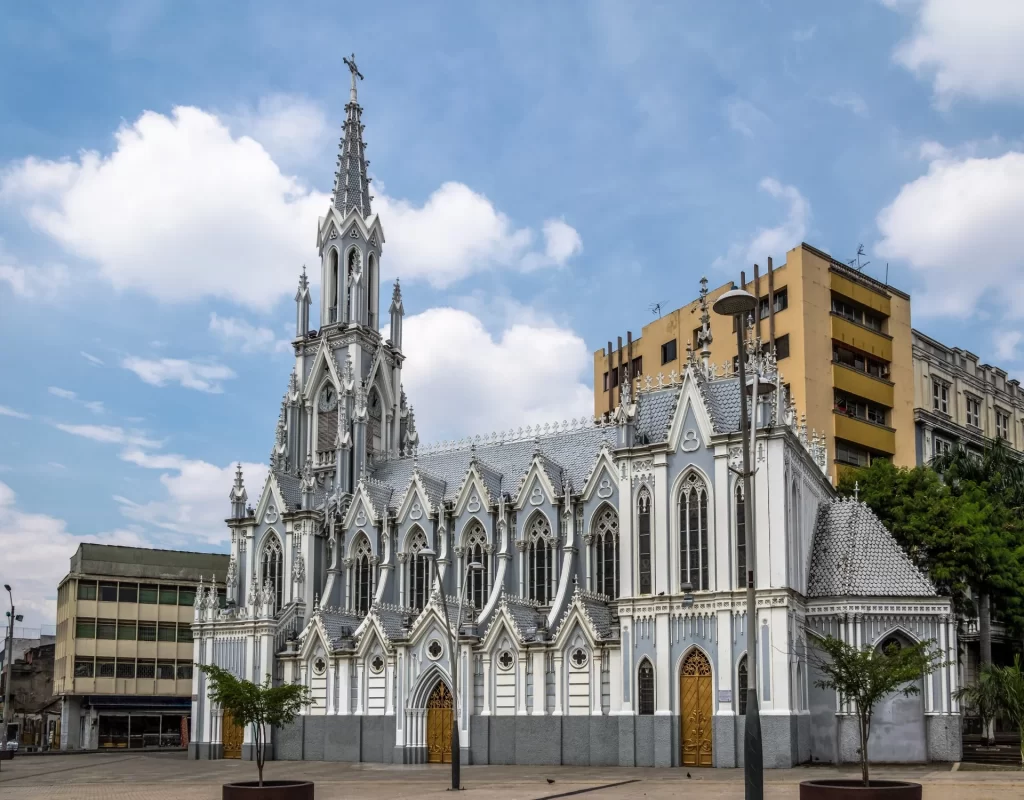
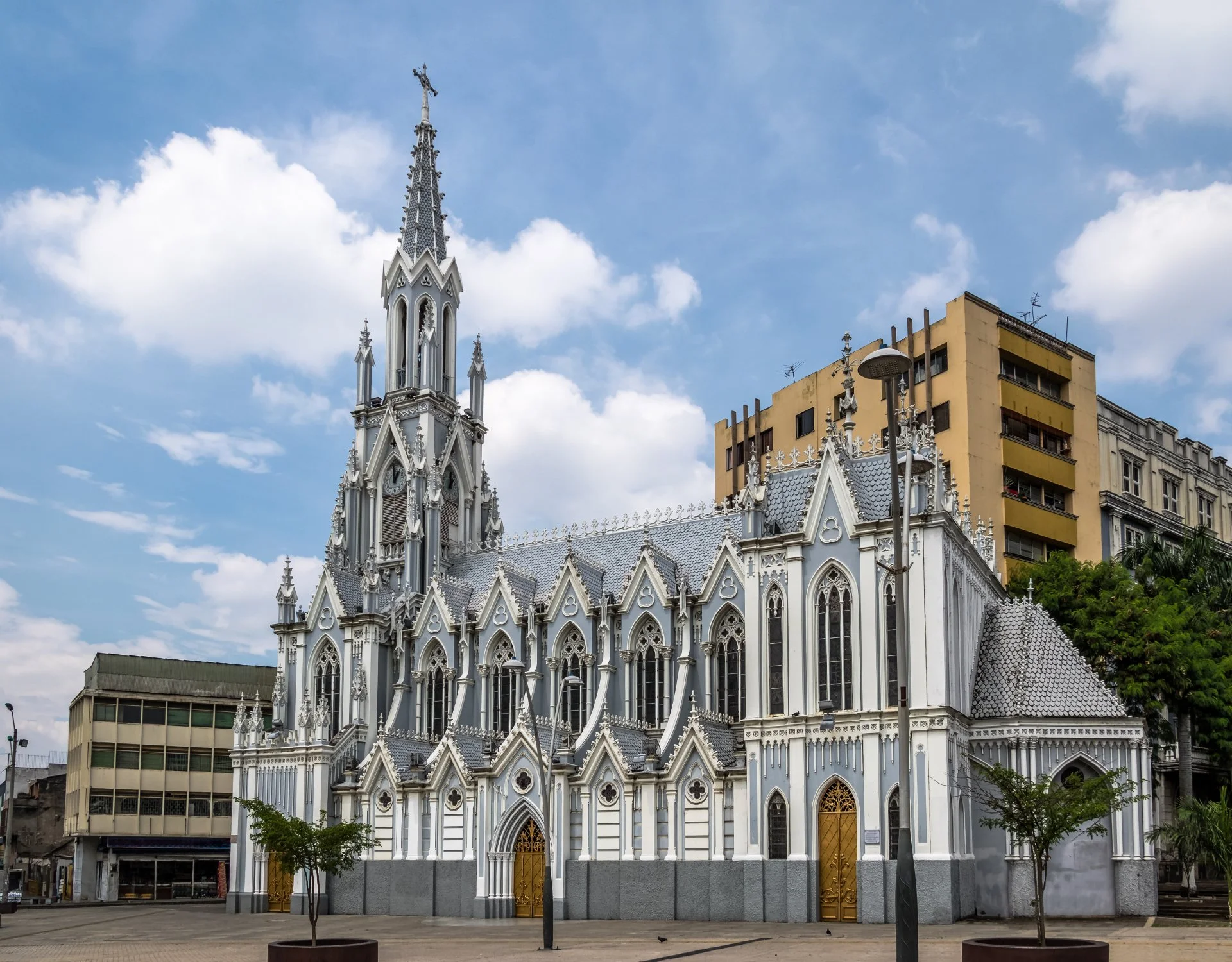
| La Ermita Church | Neo-Gothic landmark in the heart of downtown |
| Torre de Cali | Tallest building and modern skyline reference |
| Sebastián de Belalcázar Monument | Historical viewpoint honoring the city’s founder |
These spaces seamlessly merge the city’s history with contemporary life, each providing a unique perspective of Cali.
Beyond landmarks, Cali culture is most strongly felt in everyday interactions — in the way people greet each other in plazas, dance in open-air gatherings, or share traditional snacks at neighborhood markets.
Green Within the City: Urban Nature & Quick Escapes
Cali, even in its busiest corners, fosters a connection with nature. Accessing these green spaces is a breeze:
- Pance River: Clear water, small waterfalls, and picnic-friendly zones — popular for day trips
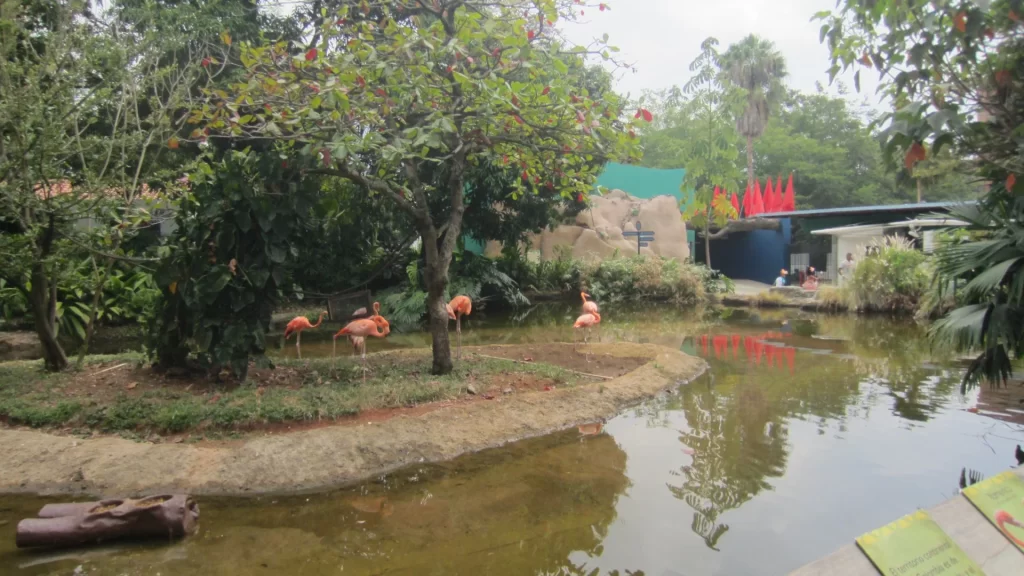
- Cali Zoo: Renowned for conservation efforts and native species education
- El Bosque Municipal El Descanso: A tranquil forest area with walking paths and local flora
- Farallones de Cali: Mountain range bordering the city — ideal for hiking, birdwatching, and views
These spots enhance the urban rhythm, transforming Cali into a place that is not only livable but also breathable.
.jpg)
Cali in 2025: Between Change and Continuity
Like many large Latin American cities, Cali faces urban and security challenges. However, the community response and focus on cultural and sporting events show a city that continues to move forward with energy and purpose.
- Cali has emerged in new arenas:
- Hosted its first official marathon, attracting global athletes
- Welcomed the Cali Open WTA 125, part of the international tennis circuit
- Continued hosting the Feria de Cali and large cultural showcases
- Hosted its first official marathon, attracting global athletes
In addition to its major festivals and sports events, 2025 has introduced exciting new creative initiatives in Cali’s public spaces. Emerging street art routes, community dance gatherings, and open-air cultural workshops transform everyday corners of the city into vibrant cultural stages. This evolution showcases how Cali’s identity continually grows from the ground up.

Conclusion: Cali in Motion, Always Authentic
Cali is a city of contrasts — joyful yet complex, traditional yet creative. Its strength lies in its ability to move forward without forgetting where it comes from. Through salsa, community pride, green escapes, evolving values, and the everyday expression of Cali culture, the city stands not just as a destination but as an experience with depth, the kind of cultural perspective that Responsible Travel SA brings to travelers interested in discovering Cali and other regions of Colombia with a more grounded and meaningful approach.
Frequently Asked Questions About Cali
What is Cali known for culturally?
Cali is best known for its salsa legacy, community-driven art, and everyday street culture.
What is Cali culture?
Cali culture is a blend of Afro-Colombian heritage, music, local food traditions, and urban creativity.
What makes San Antonio and El Peñón special?
These neighborhoods reflect daily Cali culture through cafes, murals, crafts, and local life.
Is Cali only about salsa music?
No — while salsa is central, Cali also expresses culture through street art, festivals, food, and public gatherings.
Are there green areas to visit in Cali?
Yes, places like Pance River, Farallones de Cali, and El Descanso Park offer nature escapes within minutes of the city.
Why visit Cali in 2025?
Cali in 2025 blends cultural festivals, new creative spaces, sports events, and evolving urban identity.