
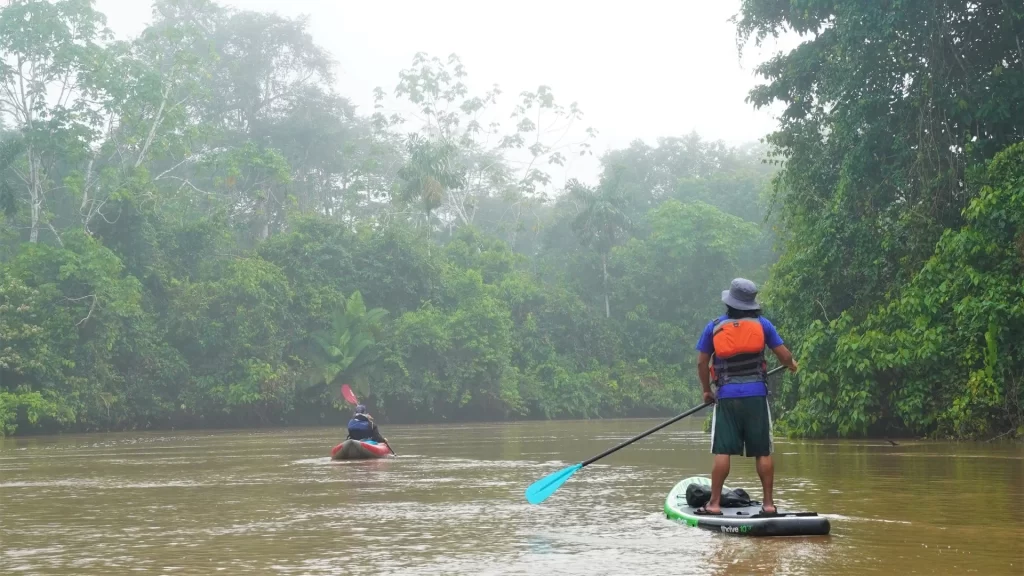
Eco‑Friendly Routes and Destinations in the Ecuadorian Amazon
The Ecuadorian Amazon ranks among the planet’s richest ecosystems in terms of biodiversity and cultural continuity. Exploring this vast landscape responsibly means minimizing environmental impact while supporting the local communities who have lived in harmony with these forests and rivers for generations.
This guide presents sustainable routes in the Ecuadorian Amazon — each anchored in Ecuador protected areas, traditional practices, and opportunities for wildlife and cultural engagement — showing how travel can be both meaningful and low‑impact.
Why Sustainable Tourism Matters in the Amazon
In Ecuador, large portions of the Amazon are legally protected. However, protection on paper does not automatically translate to long‑term ecological security. Sustainable tourism bridges that gap by:
- Reinforcing economic incentives for conservation
- Supporting community livelihoods tied to stewardship of the land
- Reducing the environmental footprint of visitors in sensitive habitats
- Centering traditional ecological knowledge in how travel is experienced and interpreted
Sustainability in this context is not just a slogan — it is visible in transport choices, accommodation models, community leadership, and how excursions are conducted.
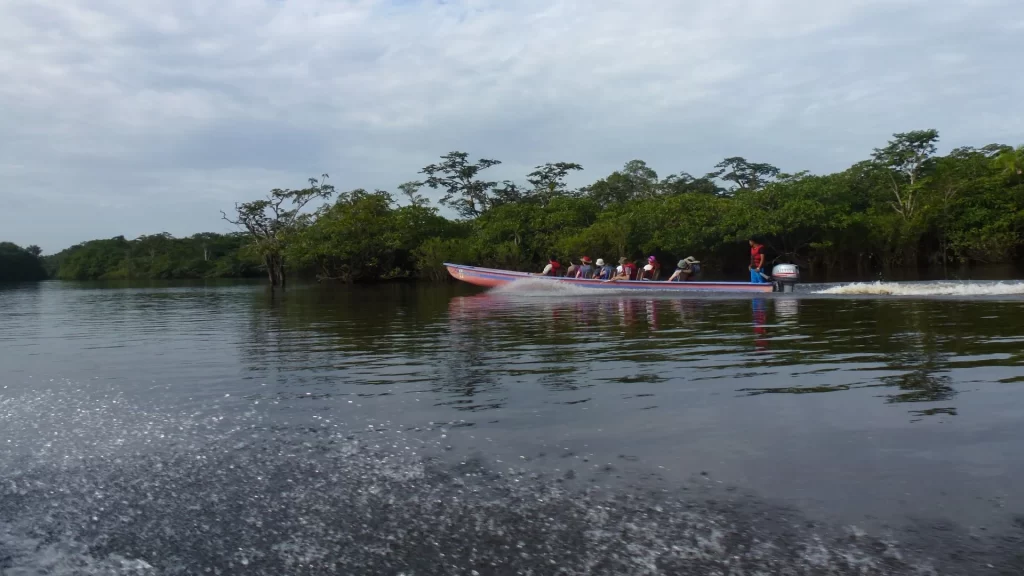
Concrete practices that reduce impact include:
- Choosing transport and activities that avoid fossil fuel emissions and noise disruption
- Traveling with guides and services managed or employed by local and Indigenous communities
- Observing wildlife at respectful distances and according to natural rhythms
- Valuing the knowledge and worldviews of people who inhabit this forest
By prioritizing these practices, thoughtful travelers contribute to the ongoing preservation of the Amazon.
The Deep Amazon: Iconic Protected Areas and Wildlife
Cuyabeno Nature Reserve
The Cuyabeno Nature Reserve, in the northernmost Ecuadorian Amazon (Sucumbíos and Orellana provinces), is one of the region’s most emblematic protected areas. Its network of blackwater rivers, igapó (seasonally flooded forest), and interconnected lagoons forms a dynamic ecological system that supports a wide range of species and habitats.
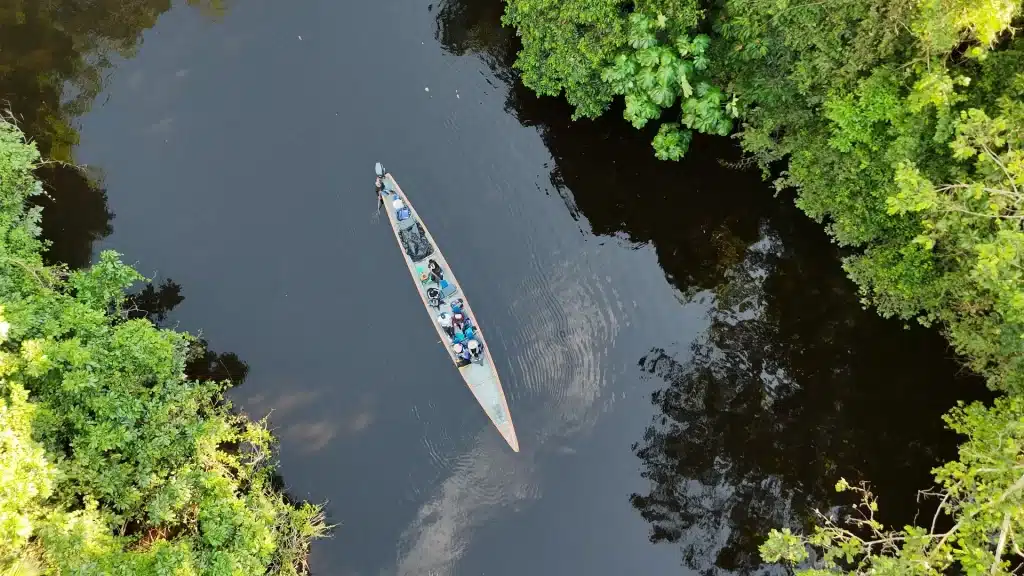
What distinguishes Cuyabeno — beyond its biodiversity — is how people travel through it. Traditional killas (canoes carved from a single trunk and used without motors) remain an active mode of transport. These vessels:
- Generate no fuel emissions
- Produce virtually no noise
- Minimize disturbance to aquatic and riparian wildlife
- Provide naturalists and travelers with an intimate, quiet way to observe ecosystems
This contrasts sharply with motorized tourism, where noise and wake can displace sensitive species and alter natural behavior.
Alongside this ecological logic, communities such as the Cofán and Secoya — especially along the Aguarico and Zábalo rivers — continue to practice and share ecological knowledge rooted in centuries of life with the forest and river. Their presence is part of the living landscape of Cuyabeno, not an add‑on.
Yasuní National Park
Further south, Yasuní National Park is recognized globally for its extraordinary concentration of biodiversity, including numerous endemic species. As an Amazon protected area, Yasuní exemplifies the intersection of ecological richness and conservation policy.
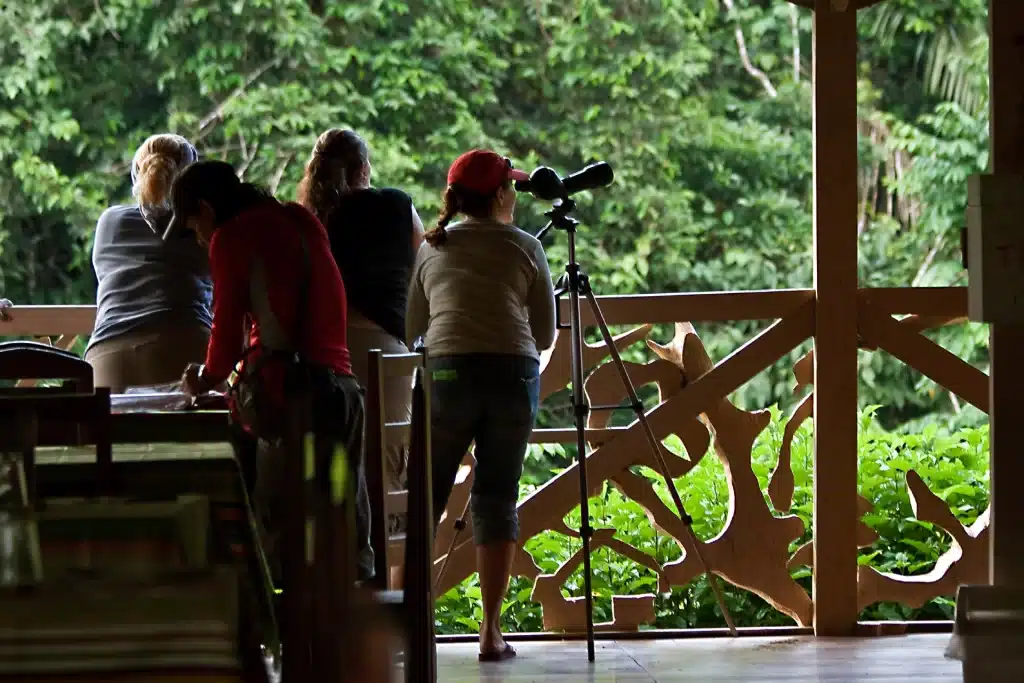
Visitors to Yasuní encounter:
- High bird diversity
- Primate species navigating complex forest strata
- Amphibians, insects, and understory fauna linked to microhabitats
Sustainable travel in Yasuní focuses on guided immersion in place rather than rapid sightseeing:
- Small group hikes and river trips
- Interpretation led by naturalists familiar with seasonal cycles
- Visits that support community enterprises and guides
Engaging with local families provides insight into how ancestral territory management aligns with contemporary conservation goals.
Sumaco Napo‑Galeras: The Amazon‑Andes Transition
While not a “deep forest” river route, Sumaco Napo‑Galeras sits at the ecological interface between the Andes and the Amazon basin. Protected as part of Ecuador’s conservation network, this area offers an integrated biodiversity experience where:
- Montane cloud forests transition into lowland rainforest
- Bird species reflect mixed ecological influences
- Trails bring travelers into contact with altitudinal gradients seldom found elsewhere
Including this protected area in a sustainable Amazon itinerary highlights how regional connectivity supports species movement and ecological resilience.
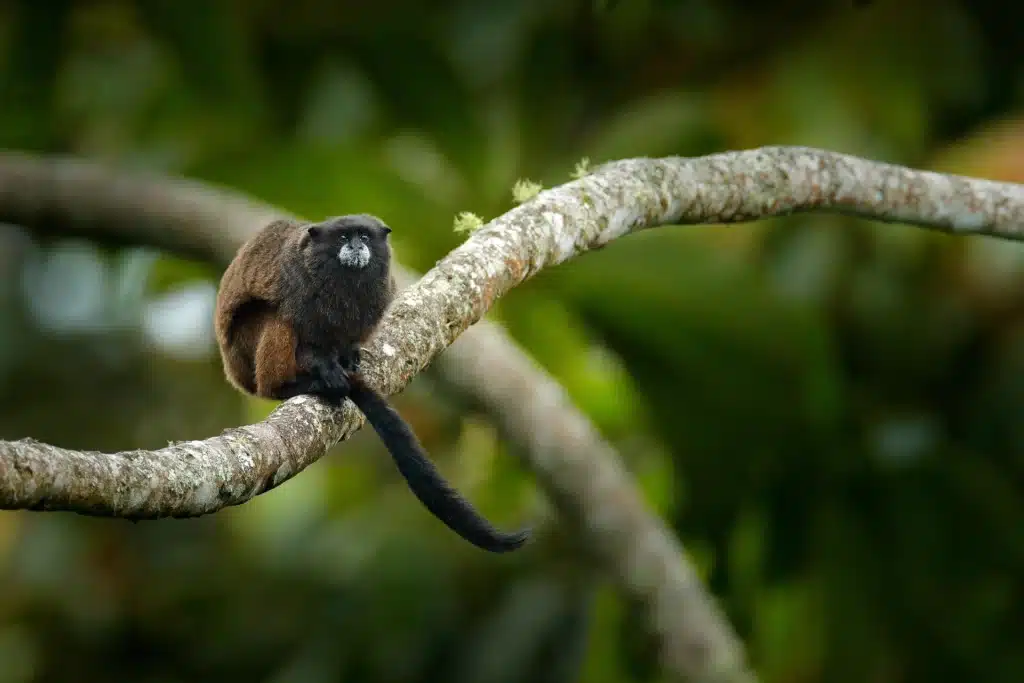
Sustainable Practices in Amazon Travel
KillAs: Traditional Non‑Motorized Canoes
Much of the Amazon is navigable not by roads, but by water. In places like Cuyabeno, killas — dugout canoes shaped from a single trunk and operated without motor — embody a travel ethic rooted in both ecological sensitivity and cultural continuity.
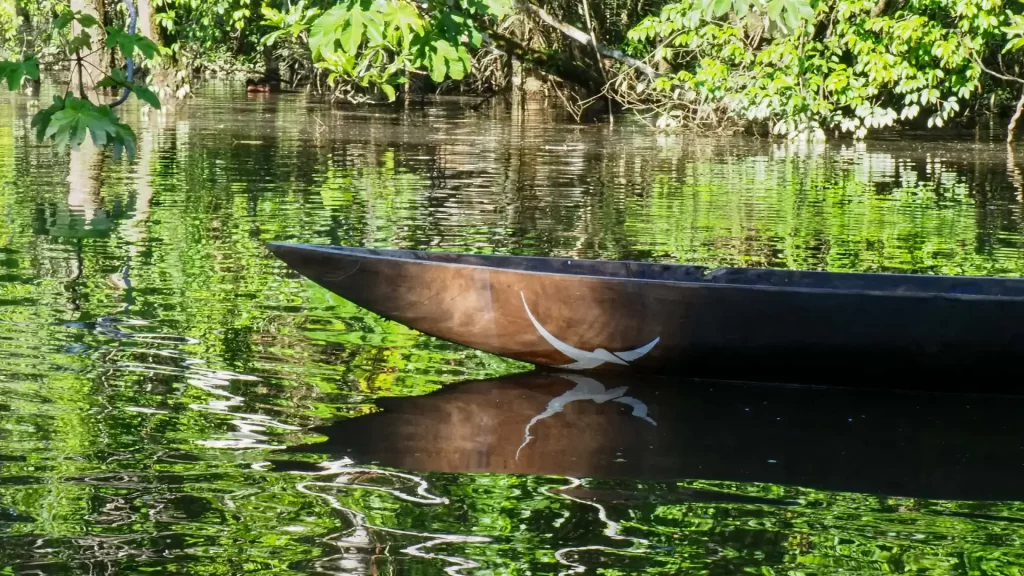
Because killas:
- Avoid fuel pollution
- Silence mechanical disturbance
- Slow travel to the pace of natural processes
they allow wildlife to continue its routines undisturbed and give visitors a more authentic, less invasive way to engage with riverine ecosystems.
Using non‑motorized transport is just one example of sustainable practice that benefits both biodiversity and the quality of experience for nature‑focused travelers.
Practical Tips for Responsible Amazon Travel
To ensure your trip is genuinely responsible:
- Book with licensed guides and lodges that operate within protected area regulations
- Pack smart: breathable long‑sleeve clothing, waterproof footwear, insect repellent, binoculars, reusable water bottle
- Respect wildlife distances; avoid feeding or approaching animals
- Follow guide instructions during navigation and walks
- Support local enterprises — crafts, foods, homestays — that reflect community knowledge and values
These steps are straightforward but crucial for minimizing impact and maximizing benefit to the places you visit.
Important Travel Notes & Practical Warnings
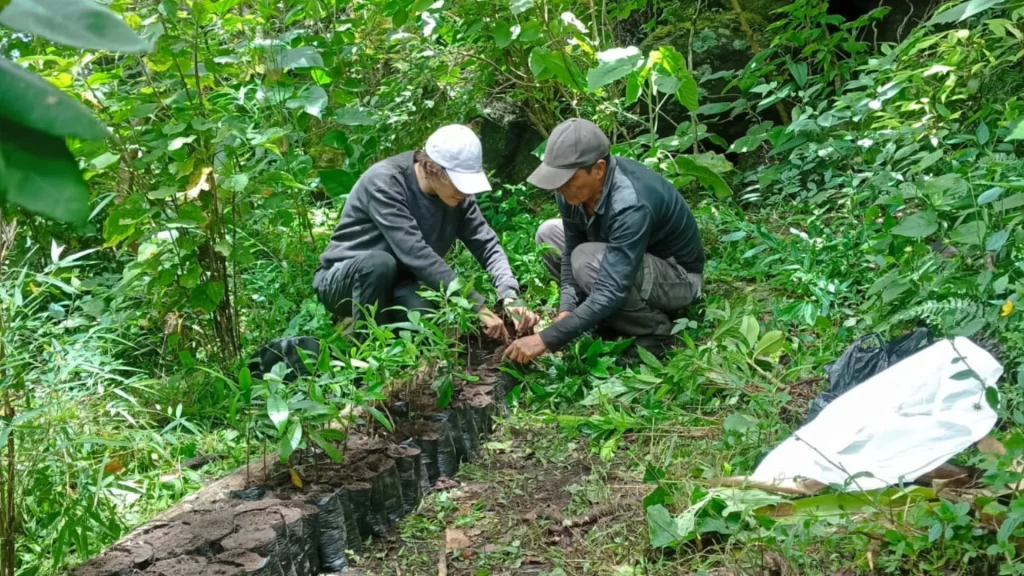
Travel Requirements & Protected‑Area Access
- Access to core areas like Cuyabeno Nature Reserve and Yasuní National Park is generally coordinated through licensed guides and authorized lodges. Independent access deep into the reserve without a certified guide is not supported by local access controls.
- At official checkpoints (e.g., El Puente/Cuyabeno entrance), you may be required to register your group and guide before entering. This helps authorities monitor human presence and supports conservation management.
- Always confirm current access policies with your lodge or tour operator before arrival, as protected‑area procedures can update based on environmental conditions or management directives.
Health & Conditions
- The Amazon climate is hot, humid, and rainy at times. Bring breathable long sleeves, insect repellent, waterproof gear, and a reusable water bottle.
- Mosquito‑borne diseases exist in tropical forests; consult your healthcare provider about recommended vaccinations or prophylaxis for Amazon travel.
- Water visibility is low in blackwater rivers, and currents can shift with rainfall. Swim only in designated areas with a guide’s approval.
Wildlife Interaction
- Respect wildlife distances. Feeding, touching, or drawing animals closer is harmful and often prohibited by guides as part of ethical wildlife observation.
- Crepuscular hours (early morning / late afternoon) tend to be most active for many species, but always follow your guide’s safety direction.
Environmental Responsibility
- Avoid single‑use plastics and carry out what you bring in.
- Stick to paths and water routes designated by your guide to minimize soil erosion and disturbance to sensitive habitats.
- Support community‑led services — guides, crafts, meals — as part of sustainable tourism that benefits local livelihoods and reinforces stewardship of the land.
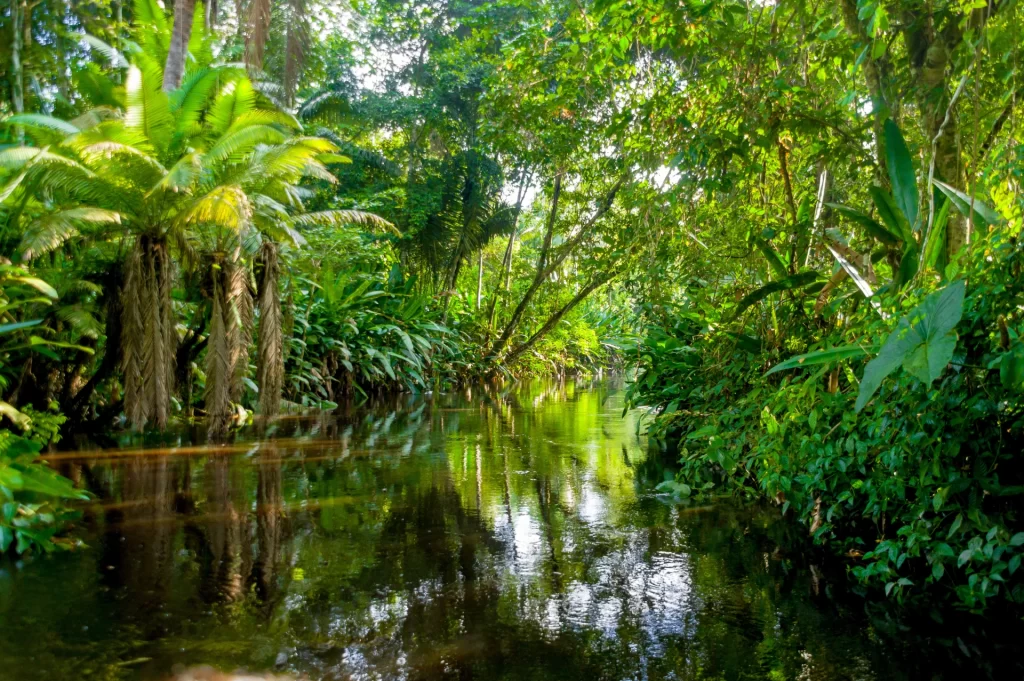
Before You Paddle In: FAQs for Sustainable Amazon Routes
What type of transportation is used in protected areas?
Transportation depends on the purpose of the trip. Logistical transfers along major rivers utilize motorized canoes. For wildlife viewing in narrow channels, keels or rowboats stand out as the preferred choice. This minimizes noise and erosion of the riverbanks, allowing for a closer and more environmentally friendly experience.
How can I identify a lodge committed to sustainability?
An easy way to find out is by looking at the information the lodge shares on its website or facilities. Formal establishments usually mention their Tourism Operating License or environmental licenses. These documents confirm that the lodge complies with regulations on waste management, use of clean energy, and protection of the Amazon ecosystem.
Is it necessary to have a guide to explore these areas?
Yes, to visit the reserves and national parks of the Ecuadorian Amazon, you must be accompanied by a specialized guide. This provides travelers with a great deal of security; these professionals carry an official credential that accredits them as experts in natural heritage, ensuring that the tour is informative and complies with conservation standards.
What makes a route in the Amazon considered “sustainable”?
It is considered sustainable when it balances the visitor experience with the protection of the area. This includes respecting visitor limits (carrying capacity), avoiding leaving any type of waste in the forest, and prioritizing low-impact activities, ensuring that the beauty of the Amazon remains intact for the future.Source: Technical Regulations for Nature Tourism.