
Quindío, nestled in the heart of Colombia’s central Andes, showcases a vibrant personality that captivates all who visit. Recognized as part of the Coffee Cultural Landscape (a UNESCO World Heritage Site), this small region shines brightly on its own — a living reflection of Quindío identity. It presents a vibrant tapestry of color, rich culture, and natural beauty that feels both intimate and boundless.
Experience the rainbow-bright balconies of Salento and the towering wax palms of Cocora Valley, where time slows down, senses sharpen, and the landscape beckons you to explore — not just see.
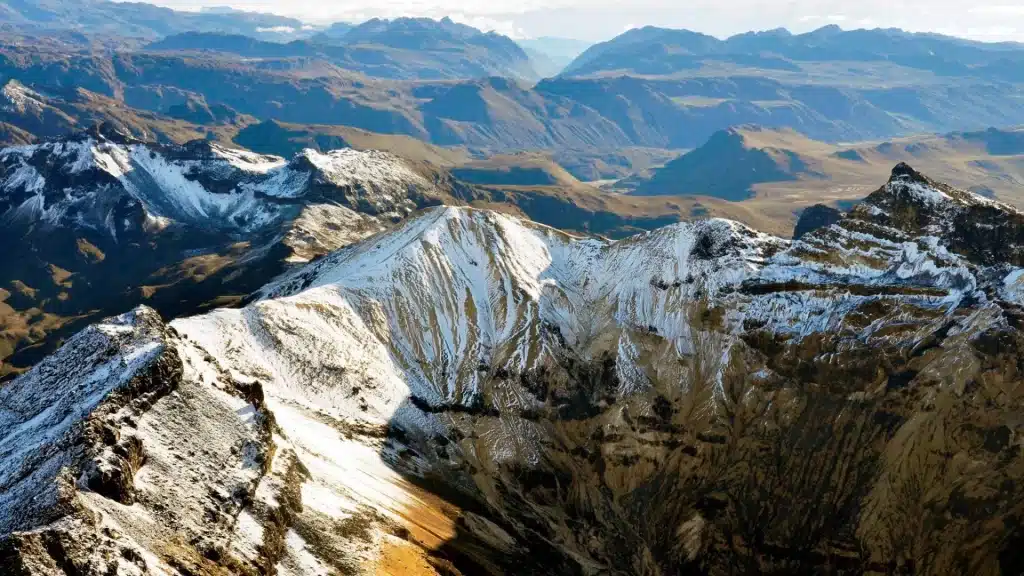

What makes Salento and its streets so memorable?
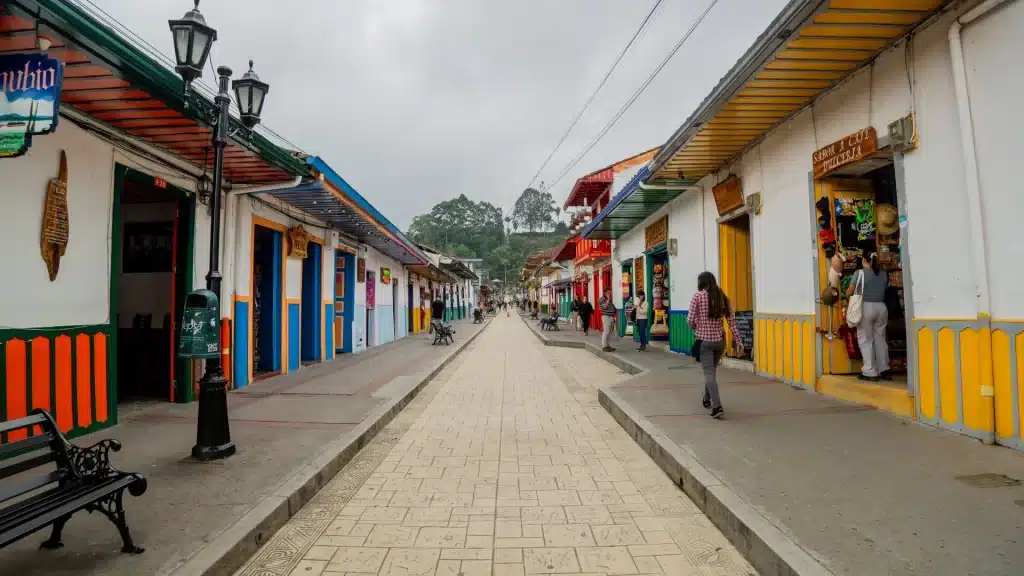
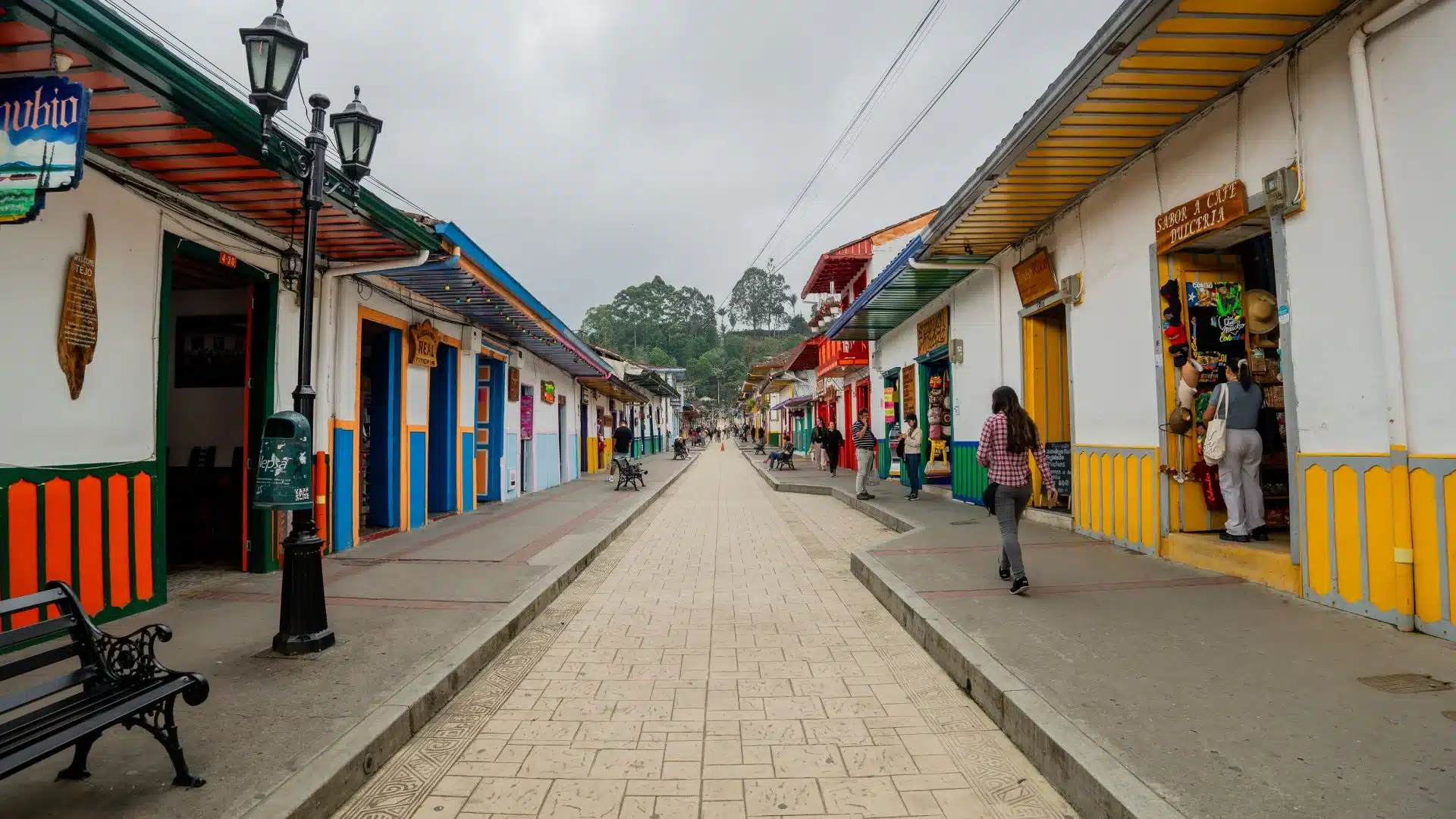
Salento embodies the quiet charm that defines Quindío identity, blending color, rhythm, and daily life into a single heartbeat. The leisurely pace of its streets, the aroma of roasted coffee drifting from corner cafés, and the rhythm of horse hooves on cobblestones all speak of a place where heritage and emotion live side by side.
Perched on a hillside where the Andes gracefully transition into the Cocora Valley, Salento captivates with its vibrant colonial architecture, charming balconies, and lively pedestrian atmosphere. Calle Real, the main street, thrives with artisan shops that showcase guadua bamboo goods, ponchos, handwoven mochilas, and locally grown coffee beans.
The central plaza buzzes with live music on weekends, and viewpoints like Alto de la Cruz invite you to gaze out over lush green hills woven with coffee farms and cloud forests. This is a place where tradition comes alive, not merely performed.
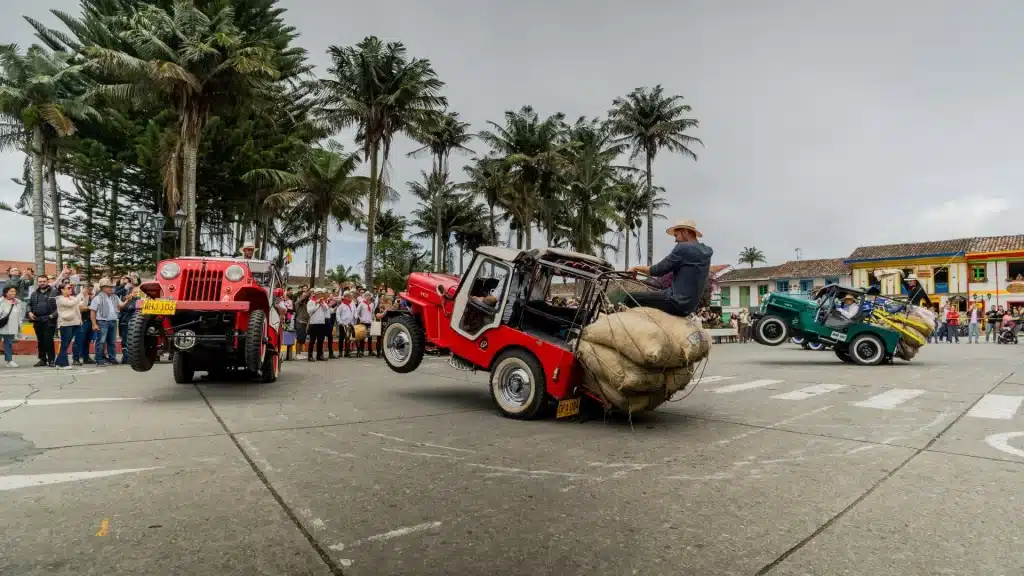
In Salento, the old Willys Jeeps lining the streets — once used to ferry people to the valley — come alive as characters in the story.
Why visit the Cocora Valley and its wax palms?
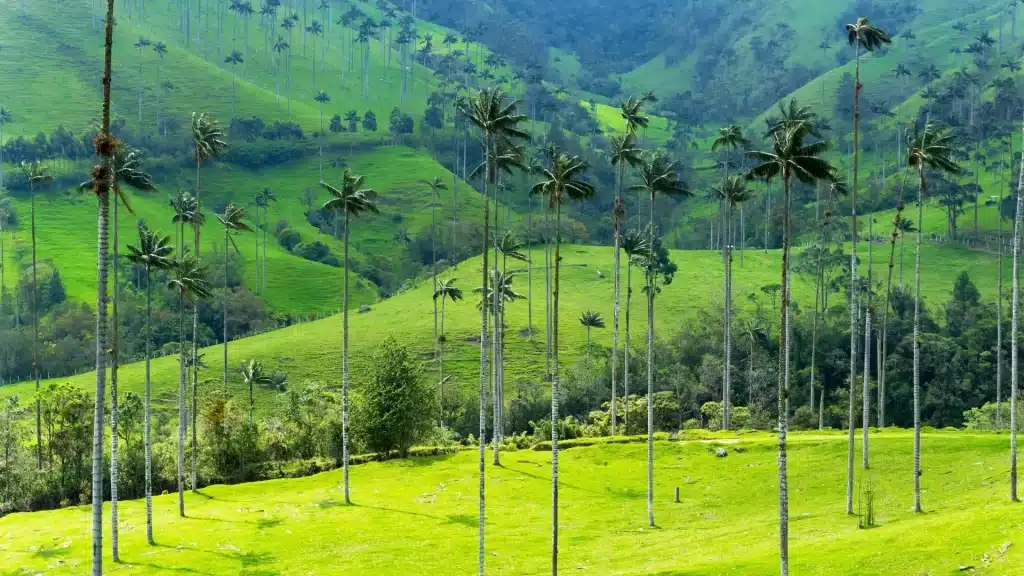
One image that truly defines Quindío for the world is the sight of wax palm trees (Ceroxylon quindiuense). These slender, ghostly giants rise majestically from lush meadows into fog-filled skies. The tallest palm trees on Earth, Colombia’s national tree, reach impressive heights of up to 60 meters.
The Cocora Valley (Valle de Cocora) stands out as the sole location on Earth where these trees flourish in such remarkable abundance — a landscape that captures the soul of Quindío identity through mist, silence, and the timeless grace of its wax palms.
As you journey, keep an eye out for hummingbirds, orchids, and perhaps even the elusive Andean spectacled bear. The landscape unfolds at every turn like a dream: mist drifts between hills, light catches the palms, and silence breaks only for birdsong.
Hike, rent horses, or take a thrilling ride in a Willy Jeep from Salento to reach the stunning main palm grove. Regardless of your journey, the experience of standing among these giants is a sensation that photos simply cannot convey.
Which other landscapes and experiences define Quindío’s iconic character?
Beyond Salento and Cocora, Quindío unfolds a tapestry of micro-experiences that enrich your journey.
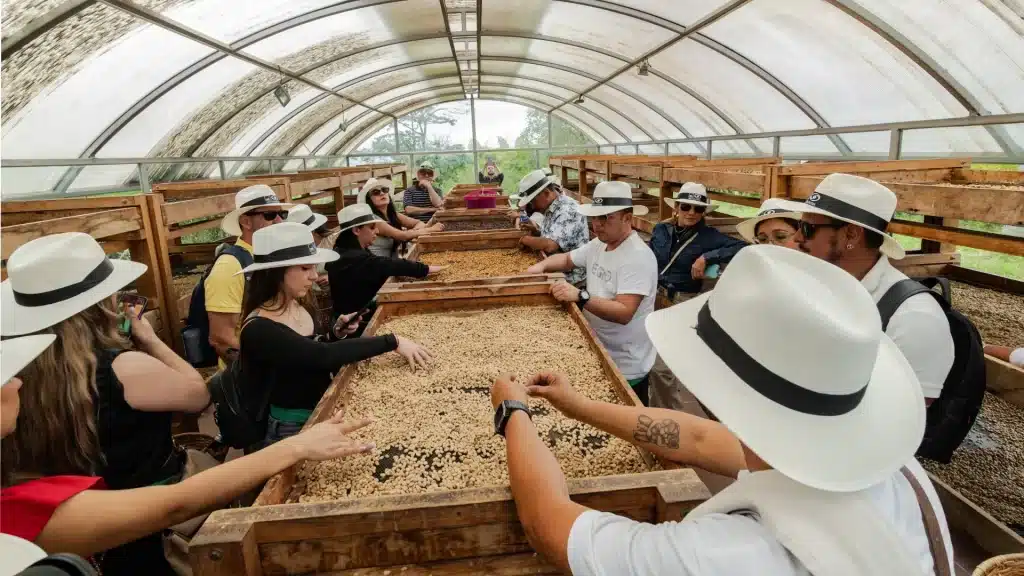
- Coffee Farms (Fincas Cafeteras): Throughout Quindío, family-run coffee farms invite you to explore their tours, where you can pick beans, roast your own batch, and savor coffee right at the source. Every farm shares a narrative of generations, sustainability, and pride.
- Buenavista and Pijao: Smaller towns provide tranquility, open skies, and a vibrant connection to Colombia’s emerging slow tourism scene. In Pijao, a proud member of the Cittaslow movement, locals warmly invite visitors to embrace a different pace of life.
- Filandia: Often called the “other Salento,” Filandia has its own colorful facades, but with fewer crowds and a panoramic mirador (viewpoint) that stretches toward the Western Andes.
- Parque del Café: A vibrant cultural and amusement park, where thrilling roller coasters stand alongside lush botanical gardens, and captivating theatrical shows delve into the rich history of coffee.
Quindío is compact, but varied. You can drive from Armenia to the mountains in under an hour, watching the landscape shift from valleys to forests to riverside farmland.
How can a traveler experience Quindío’s identity through culture and nature?
Traveling through Quindío engages all your senses.
Begin your morning in Salento’s central square, where vibrant fruit vendors display their colorful carts brimming with lulo, granadilla, and guanábana. A local café nearby serves smooth arabica coffee and plays soft boleros on vinyl, encouraging you to slow down and truly savor the moment.
Drive a Willys Jeep into the Cocora Valley and inhale the fragrant air filled with eucalyptus and moss. Farmers in rubber boots actively tend to steep coffee plots. Pose inquiries. Discover the distinction between cherry red and overripe beans.
Next, embark on a hike to a viewpoint above Filandia, where the sunset transforms the waxy palm leaves into shimmering silver. Conclude your day with delicious trucha (trout) grilled in garlic, accompanied by crispy patacones and tender steamed yuca.
When your visit coincides with the annual Yipao Parade in towns like Calarcá and Armenia, you will experience a true cultural spectacle. Brightly painted Jeep Willys, loaded with coffee sacks, furniture, and folkloric symbols, cruise down the streets, joyfully celebrating Quindío’s rich coffee identity.
Conclusion: A Place That Grows on You
Quindío isn’t just one of Colombia’s smallest departments — it’s one of the richest in soul. With the help of Responsible Travel SA, you can feel Quindío identity unfold as you move through its valleys — from the wax palms that scrape the sky to the heritage houses that cradle daily life. Every corner speaks of balance: between nature and culture, tradition and innovation, simplicity and wonder.
Frequently Asked Questions About Quindio
What is the best way to get from Salento to the Cocora Valley?
Most travelers take a 20-minute ride on a traditional Willys Jeep from Salento’s main square to the Cocora Valley trailhead.
Are the wax palms in Quindío endangered?
Yes, wax palms are considered a threatened species due to habitat loss and are now protected by law. Cocora Valley is one of the best places to see them in their natural habitat.
Can you tour a coffee plantation in Quindío?
Absolutely. Dozens of fincas offer guided tours in English or Spanish, including tastings, farm walks, and brewing workshops.
What is the typical architecture style in Salento?
Salento showcases traditional bahareque construction — adobe or wood walls, tiled roofs, and brightly painted facades with decorative wooden balconies.
When is the best time to visit Quindío for nature and peace?
While it’s beautiful year-round, weekdays outside national holidays offer fewer visitors and quieter trails — perfect for nature immersion.